
A smart toilet is one of the most complex products in any bathroom. It has to hold a human body, hold water under pressure, and hold a power supply — all in the wettest room in the house. So it is fair to ask: how are smart toilets actually made?
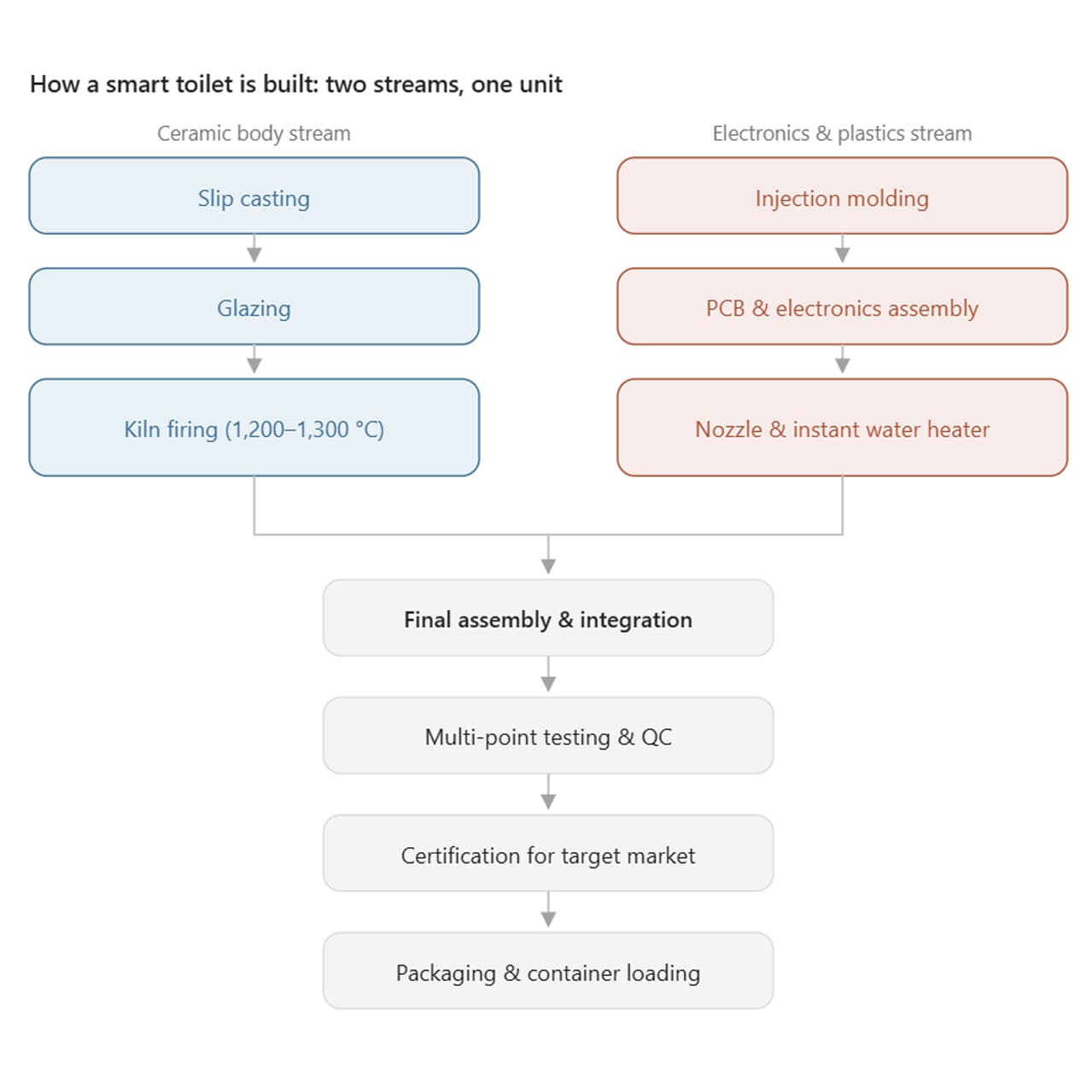
A smart toilet is built in two parallel production streams that merge at final assembly:
Ceramic stream — the body is cast from clay slip, glazed and fired at roughly 1,200–1,300 °C.
Electronics & plastics stream — the seat, lid, nozzles and electronic module are injection molded and assembled in a controlled environment.
Final assembly — ceramic body, bidet module, water heater, sensors and controls are integrated.
Testing — every unit passes leak, electrical safety, flush performance and functional cycling tests.
Certification & packaging — units are certified for the destination market, then packed for container loading.
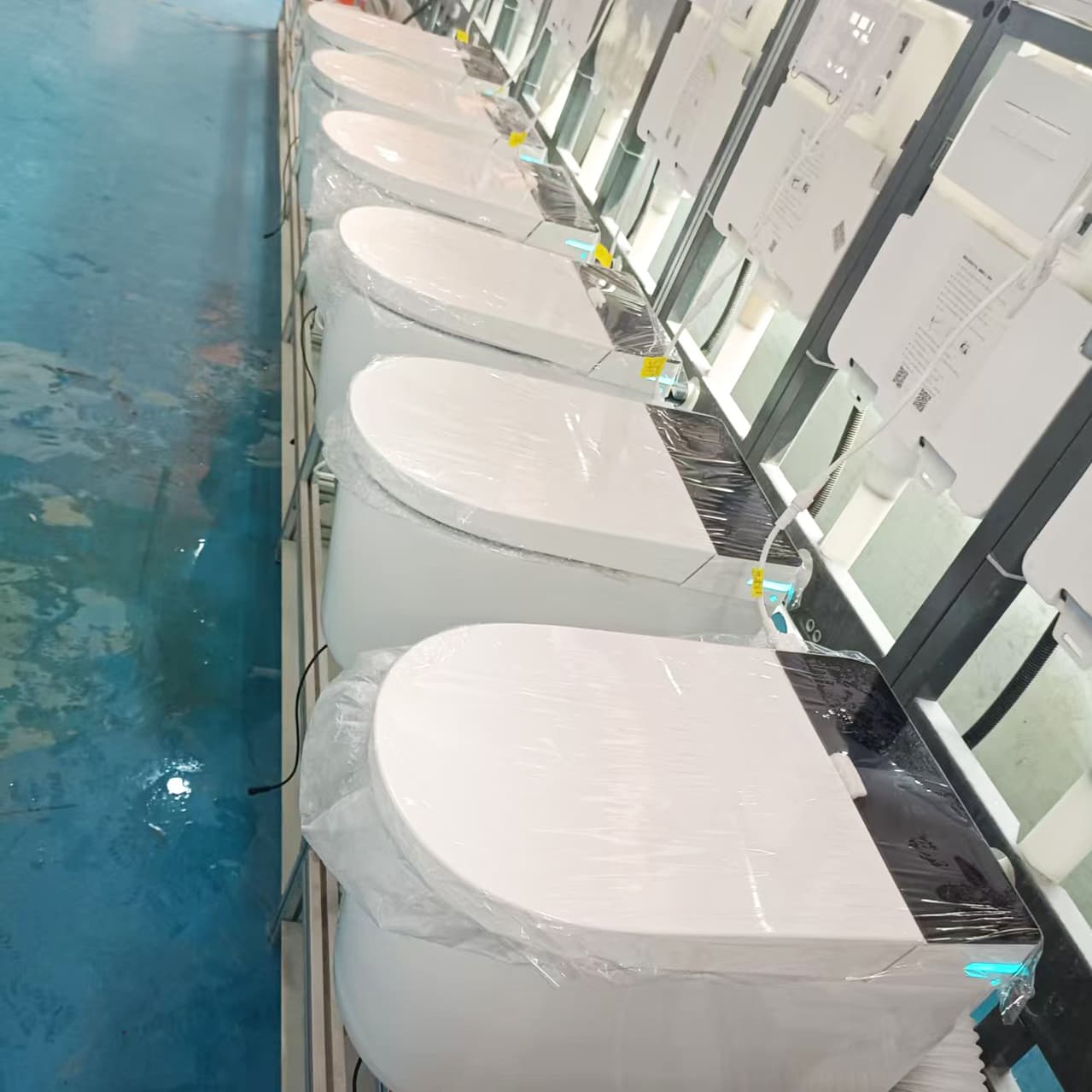
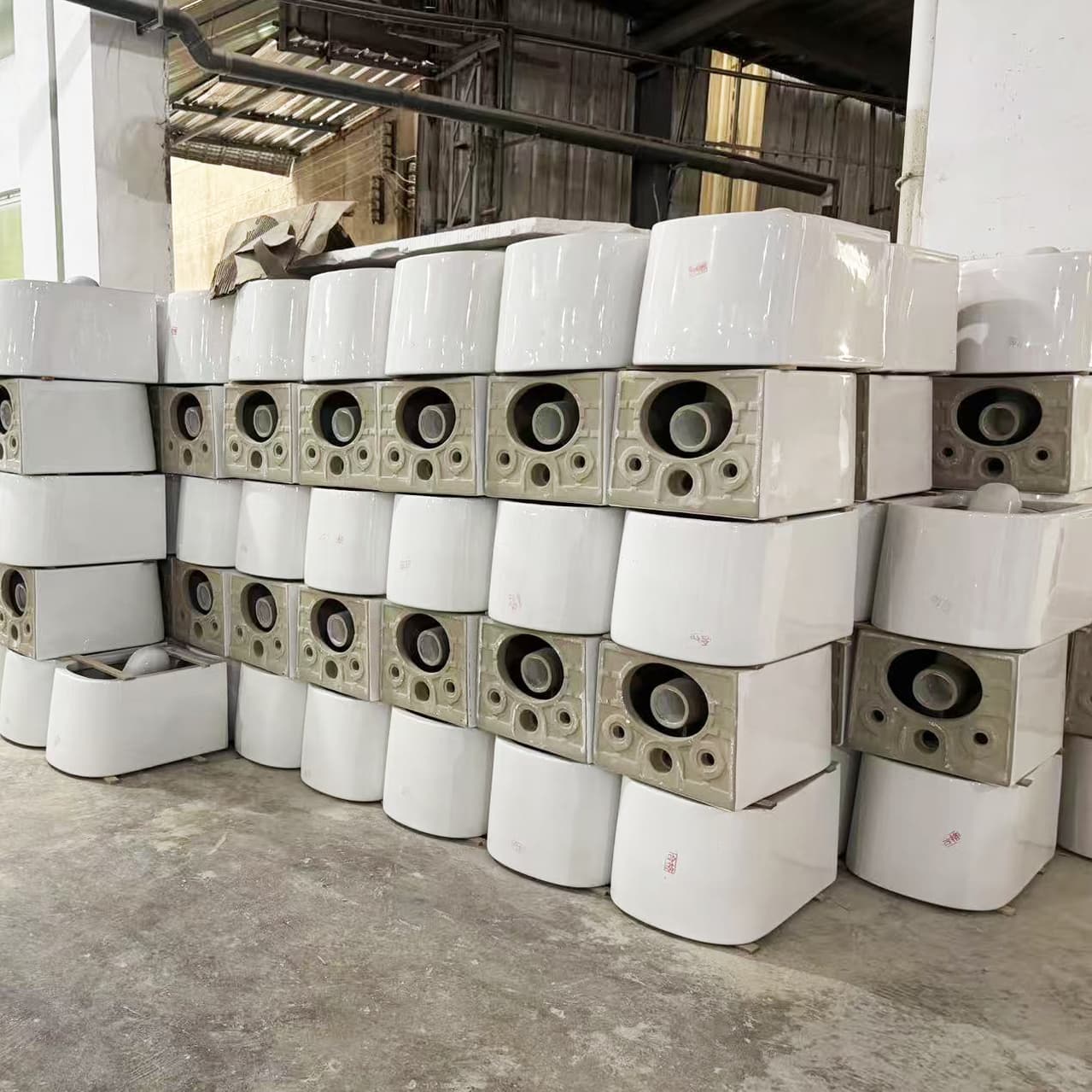
Specific production steps :
Step 1: Design and Prototyping
The process begins with CAD software to balance ergonomics and aesthetics. Physical prototypes are then 3D printed to test functionality before creating expensive mass-production molds.
Step 2: The Ceramic Body — Casting, Glazing and Firing
A clay mixture is slip-cast into molds, dried, and inspected. It is then glazed and fired in a massive kiln at over 1,200°C, ensuring a durable, non-porous, and stain-resistant finish.
Step 3: Injection Molding the Plastics
High-precision machines melt plastic pellets to form the seat, lid, and remote housing. This ensures perfectly uniform, durable parts with exact tolerances for a seamless fit.
Step 4: Electronics and PCB Assembly
This is where the "smart" elements are born. Microchips are mounted onto Printed Circuit Boards (the toilet's brain) and waterproof-coated to ensure electrical safety.
Step 5: Nozzle and Water System Fabrication
A dedicated line assembles stainless steel nozzles, pumps, valves, and instant heating modules. Every component is engineered to prevent leaks and maintain consistent water pressure.
Step 6: Final Assembly and Integration
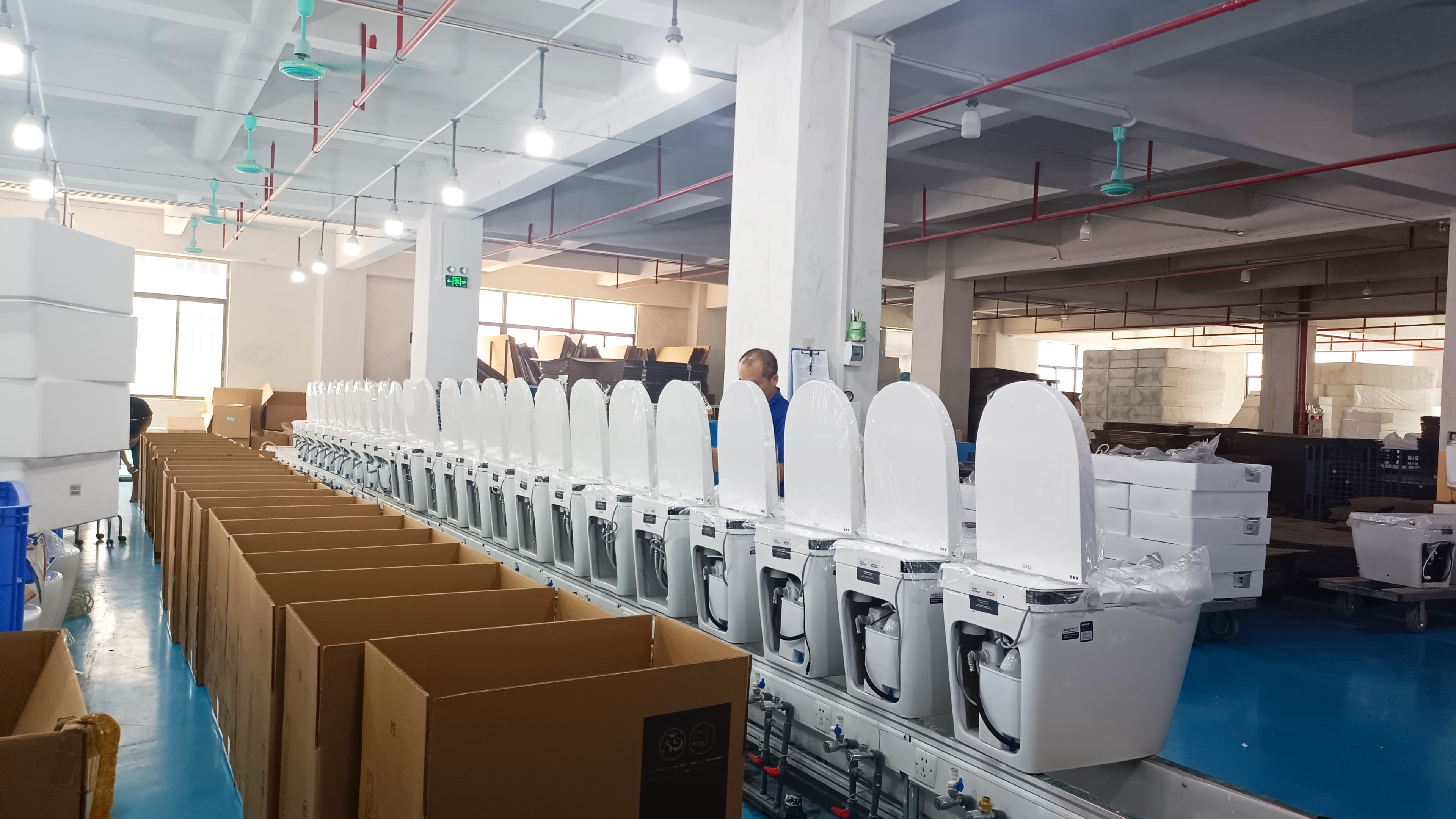
All components converge as electronics and water systems are carefully installed into the ceramic base. Technicians connect wiring and hoses, applying sealants to guarantee a watertight fit.
Step 7: Testing — Where Quality Is Actually Proven
Every unit undergoes rigorous quality control, including high-pressure leak tests and electrical safety checks. Technicians test all functions, pulling any unit that fails to meet standards.
Step 8: Certification and Market Compliance
Before shipping globally, each unit must meet regional standards like CE, UL, or WaterMark. This step verifies regulatory compliance, ensuring the product is legally cleared for its target market.
Step 9: Packaging and Container Loading
Each toilet is wrapped in protective film and cushioned in heavy-duty cartons. Accessories are secured, and the boxed units are palletized and efficiently loaded into shipping containers.
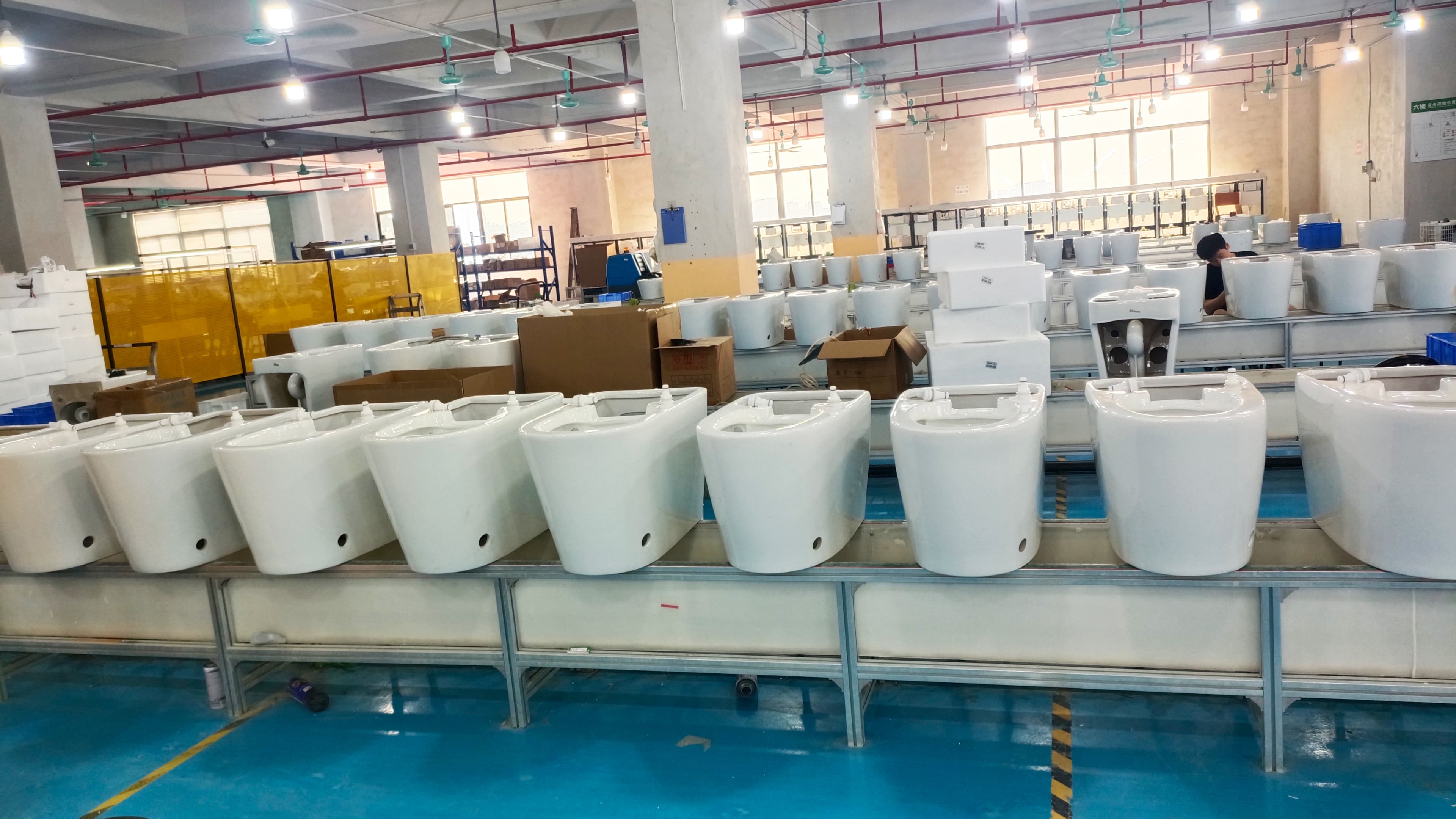
In conclusion, manufacturing a smart toilet is a precise blend of traditional ceramics and cutting-edge electronics. From the fiery kiln to the meticulous assembly of microchips, every step is dedicated to delivering a reliable, hygienic, and deeply personalized daily experience for the modern consumer.